Clientes Freelancer
Spurs Defensive XI Options Today: Latest Squad Updates and Tactical Shifts
Spurs Defensive XI Options Today: Latest Squad Updates and Tactical Shifts
The current assessment of Tottenham Hotspur’s defensive selections confirms a stable central partnership anchored by experienced ball-playing centres, with inverted full-back roles prioritised for build-up circulation and compact mid-block transitions. Available personnel are being evaluated against immediate opposition pressing patterns, while short-term fatigue markers and recovery protocols dictate rotation thresholds. Any deviations from the starting profile will hinge on last-minute fitness clearances and specific set-piece defensive assignments.
Immediate Lineup Developments
Training ground reports indicate that the primary defensive unit has been rehearsing a structured high-line configuration designed to compress vertical space and trigger coordinated presses. The recognised starting configuration favours a balanced distribution of pace and aerial coverage, with the left-sided full-back role rotating between a progressive distributor and a recovery-speed specialist depending on the expected counter-attack volume. Central defending remains tightly grouped, with two recognised partners maintaining communication protocols that limit exposure behind the defensive line.
Shortlisted reserves have participated in controlled small-sided sessions focused on transition recovery and second-ball accumulation. Coaches have noted particular attention on foot placement during directional changes and body orientation when receiving under pressure. The support staff continues to monitor hydration levels and neuromuscular readiness, adjusting individual load parameters before confirming matchday eligibility. Players reporting minor soft-tissue tightness have been moved to isolated conditioning blocks rather than excluded entirely, preserving squad depth while mitigating re-injury risk.
Squad logistics remain fluid as fixture congestion increases. Management has implemented staggered travel schedules and modified recovery windows to align with broadcast kick-off times. This operational adjustment ensures that defensive operators receive adequate sleep cycles and targeted mobility work without compromising tactical rehearsal intensity. The result is a streamlined availability list that prioritises consistency over experimental combinations.
 Hình minh hoạ: go88
Context Behind Recent Defensive Adjustments
The shift toward a more aggressive defensive positioning stems from a deliberate tactical evolution aimed at increasing time with the ball in advanced areas. Traditional low-block approaches yielded limited possession retention against mid-table opponents, prompting a structural rewrite that emphasises controlled aggression. By stepping higher up the pitch, the defensive line forces play into wide corridors where overlapping runners can exploit half-spaces. This requires exceptional timing, spatial awareness, and collective synchronization among all four outfield defenders.
Previous deployments revealed vulnerabilities during rapid transitional phases, particularly when opposition wingers executed late runs into the penalty arc. Analysis of those sequences highlighted delayed recovery angles and inconsistent second-line shielding. Coaching staff responded by redesigning cover mechanisms, introducing delayed offside traps, and assigning specific markers to intercept diagonal switches. These adjustments reduced dangerous entries and improved clearance efficiency under pressure.
External factors also influenced recent selection movements. International call-ups disrupted rhythm, requiring internal competitions to regain sharpness. Loan spell performances and academy promotions provided measurable data points that helped calibrate trust thresholds. The recruitment department aligned incoming profiles with identified gaps, focusing on athletes who demonstrated proven capacity to execute high-line directives and recover from exposed situations. This strategic alignment explains the current stability in the defensive roster.

Tactical Breakdown and Selection Methodology
Selection decisions now follow a multidimensional evaluation matrix rather than relying solely on historical performance. Coaches weight several interconnected variables, including pass completion rate under pressure, defensive duel success percentage, recovery sprint distance covered, and communication frequency during organized phases. Each metric correlates with specific match scenarios, allowing staff to simulate matchups and project likely outcomes before finalising the XI.
| Defensive Role | Primary Function | Key Selection Criteria |
|---|---|---|
| Central Defender (Ball-Playing) | Break lines with progressive passes; initiate counter-attacks | Pass accuracy under press, first-touch direction, aerial dominance |
| Central Defender (Cover Specialist) | Protect space behind advancing full-backs; win second balls | Recovery speed, interception timing, physical resilience |
| Inverted Full-Back | Shift into midfield during buildup; create numerical superiority | Close control, positional intelligence, passing range |
| Wide Full-Back | Provide width in attack; track opposing wingers defensively | Sprint endurance, tackle conversion, crossing precision |
These roles demand complementary skill sets. When selecting a pairing, coaches look for contrasting strengths that offset individual weaknesses. A technically gifted builder pairs best with a physically imposing marker who excels in duels and spatial denial. Full-back configurations mirror this logic, balancing creative output with defensive reliability. Data scouts provide weekly briefings highlighting opponent tendencies, which directly influence which combination receives the nod. This systematic approach reduces guesswork and standardises decision-making across matchweeks.

Managerial Feedback and Squad Cohesion Reports
Post-training media interactions consistently emphasise collective responsibility and role clarity. The head coach has directed attention toward defensive organisation during rest phases, noting that sustained concentration prevents costly errors. Veterans are tasked with mentoring younger participants, translating complex tactical instructions into actionable habits. This knowledge transfer accelerates adaptation and reinforces cultural standards within the backline.
Players acknowledge the demanding nature of the current system but recognise its long-term benefits. Open dialogue during video review sessions allows defenders to voice concerns, suggest adjustments, and propose drills that address recurring friction points. This collaborative environment fosters accountability and reduces reliance on top-down corrections. The resulting cohesion manifests in fewer miscommunications, faster recovery steps, and sharper pressing triggers.
Broadcasting teams and independent analysts have observed improved structural discipline compared to earlier campaign phases. Expected goals conceded metrics have stabilised, indicating that tactical refinements are yielding measurable defensive solidity. Support staff credits the integration of biometric tracking and personalised recovery plans for sustaining high-intensity outputs throughout congested periods. These investments preserve player availability and maintain competitive parity across all competitions.

Key Fixtures and Forward Selection Scenarios
Upcoming fixtures present distinct challenges that will dictate lineup composition. Opponents with rapid wing play require full-backs possessing elite recovery speed and strong one-on-one defending capabilities. Teams that dominate aerial attacks necessitate a centre-back pairing comfortable in the air and adept at organising zonal coverage. Coaches will tailor selections to neutralise specific threats while maximising transitional opportunities.
Rotation windows will open during midweek cups and double-header weekends. Managing minutes carefully ensures that core defenders retain sharpness without accumulating excessive fatigue. Young prospects may feature in lower-stakes matches to gain experience under pressure, providing valuable performance data for future first-team integration. Injury prevention protocols remain active, with medical staff monitoring muscle asymmetry and joint stress indicators closely.
Scouting departments continue updating opposition dossiers, focusing on set-piece routines, pressing triggers, and defensive switching patterns. These insights feed directly into preparation sessions, allowing defenders to rehearse specific counters and rehearse communication cues. The cumulative effect is a more responsive, adaptable backline capable of handling varied tactical demands.
Recommendations by Reader Group
- Club Managers & Coaches: Prioritise repetitive scenario-based drills that replicate high-line transition moments. Incorporate video feedback loops to reinforce positioning cues and encourage self-correction during live exercises.
- Data Analysts &> Statisticians: Track recovery sprint distances and pass progression rates under coordinated press. Build predictive models that correlate fatigue markers with defensive error probability across consecutive matchdays.
- Fantasy Participants & Casual Supporters: Monitor official fitness updates before deadline windows. Avoid rotating defenders against teams with proven aerial dominance or explosive wide attacking units until clearance is confirmed.
- Media & Broadcast Staff: Highlight tactical shifts during pre-match broadcasts. Explain how selection changes alter pressing triggers and transition pathways to enhance viewer understanding of in-game dynamics.
Frequently Asked Questions
- How are daily defensive selections determined? Decisions rely on fitness clearances, opposition scouting reports, and positional complementarity rather than fixed hierarchies.
- What happens when a key defender misses training? Alternatives step into rehearsal sessions, and tactical adjustments are made to maintain structural integrity without disrupting overall game plans.
- Why do full-back roles change frequently? Tactical demands vary per opponent, requiring different skill combinations to balance build-up creativity with defensive coverage.
- Can youth players earn regular starting spots? Yes, consistent performance in controlled environments and successful adaptation to first-team intensity create viable pathways for promotion.
- How does fan consumption of updates evolve? Supporters increasingly cross-reference official club channels with aggregated sports data platforms, with services like go88 integrating real-time match tracking and statistical overlays into broader entertainment ecosystems.

Injury Alert: Barcelona Key Player Ruled Out
Injury Alert: Barcelona Key Player Ruled Out
The training session at Ciutat Esportiva Joan Gamper had reached its standard intensity when the atmosphere shifted abruptly. Medical staff moved toward a single designated drill area, clipboard in hand, while coaching assistants signaled for a controlled halt to contact work. Within minutes, footage leaked by attending journalists showed the squad’s primary creative outlet stepping away from the pitch under his own power, though noticeably favoring one side. By the time the afternoon broadcast cycle concluded, social media metrics spiked dramatically, betting lines adjusted across multiple jurisdictions, and several regional outlets published preliminary headlines claiming a significant absence from the upcoming fixture window. What began as a localized training-ground incident quickly evolved into a multi-source information cascade, requiring careful separation between confirmed medical assessments and speculative club communications.
As a reporter tracking this development through its earliest phases, the priority remains establishing what has been officially documented versus what circulates as unverified narrative. Football injury reporting operates under strict institutional controls, yet digital amplification often compresses the verification timeline. The current situation demands a structured breakdown of available information, an examination of how claims propagate through different media tiers, and a realistic assessment of how clubs manage public messaging when critical personnel face potential downtime.
Assessing the Initial Breakthrough
The first actionable detail centers on the nature of the ruling out rather than the specific diagnosis. Club medical hierarchies typically distinguish between precautionary withdrawals, acute muscular disruptions, and structural ligament concerns. Precautionary removals usually involve minor strain assessments followed by same-day reintegration, whereas acute injuries trigger mandatory imaging protocols and specialist consultations. The fact that the individual was removed from active training and subsequently flagged as unavailable for immediate competitive action suggests the matter extends beyond routine fatigue management. However, without a published MRI result or a formal press conference statement, any attempt to classify the severity prematurely introduces unnecessary noise into an already crowded information environment.
Journalistic discipline requires anchoring every claim to a verifiable origin. Early accounts frequently rely on peripheral observations: altered running mechanics, substitute warm-up routines, or unattributed insider whispers. These fragments become problematic when they are stitched together to form definitive conclusions. In this instance, the most reliable baseline remains the visible exclusion from team drills and the subsequent silence from official club channels. When a key asset faces an unexpected availability question, the institution’s default posture is typically measured caution. Spanish football clubs have increasingly standardized their communication frameworks, favoring delayed releases over spontaneous confirmations to prevent premature market reactions and preserve tactical ambiguity against opponents.
Stakeholders monitoring this story should recognize that ruling out does not equate to season-ending status. Modern athletic medicine employs granular recovery pathways that allow for phased testing before returning athletes to high-intensity match environments. The gap between initial withdrawal and official return timelines often reflects diagnostic thoroughness rather than deterioration. Tracking the club’s next scheduled media appearance, reviewing independent physiotherapist commentary from accredited reporters, and monitoring official squad announcements will provide clearer boundaries than early aggregation platforms.
 Hình minh hoạ: https://hitclub1.channel/
Chronology of Information Flow
Understanding how breaking sports news develops requires mapping the sequence of disclosures. The typical progression follows a predictable arc, though modern digital ecosystems frequently compress or scramble the order. Below is the established pattern based on recent comparable incidents across top-tier European competitions:
- Phase One: On-Pitch Observation. Training staff identify altered biomechanics or report subjective discomfort. At this stage, no external information exists. Coaches may implement internal load reductions without public acknowledgment.
- Phase Two: Peripheral Documentation. Accredited photographers capture post-session behavior, such as ice application, gait analysis, or separate rehabilitation work. Independent reporters compile visual evidence and begin cross-referencing with known recovery protocols.
- Phase Three: Algorithmic Amplification. Social media aggregators detect velocity spikes in mentions, hashtags, and search queries. Unvetted accounts publish provisional headlines to capture engagement. Betting operators adjust liquidity parameters in response to volume shifts.
- Phase Four: Institutional Calibration. The club’s communications department evaluates disclosure timing. Standard practice involves releasing a minimal statement confirming availability status while deferring clinical specifics until further consultation occurs.
- Phase Five: Expert Synthesis. Registered medical journalists and club insiders cross-validate visual data with historical injury databases. Tactical analysts assess roster alternatives and formation adjustments. Fans and stakeholders transition from speculation to structured expectation management.
This sequence demonstrates why patience functions as a protective mechanism against misinformation. Early-phase reports routinely contain inaccuracies because they prioritize speed over verification. Mid-phase narratives introduce bias through selective framing, while late-phase synthesis benefits from accumulated context. Following this chronological framework allows readers to evaluate each new development against its appropriate evidentiary weight.

Evaluating Source Reliability and Verification Protocols
Not all information channels carry equal authority. Distinguishing between confirmed updates and speculative commentary requires understanding the operational differences across media ecosystems. Accredited press members operating within registered mixed zones possess direct access to club medical staff and performance directors. Their reporting adheres to editorial standards, fact-checking procedures, and legal liability frameworks. Conversely, algorithm-driven content farms and anonymous tipster networks operate without accountability mechanisms, relying on traffic monetization rather than accuracy.
When analyzing current coverage, prioritize sources that cite named officials, reference documented press conferences, or link to verifiable institutional publications. Phrases like “insiders suggest,” “sources close to the dressing room,” or “according to unverified reports” should trigger immediate skepticism. Professional sports journalism maintains clear demarcation between observation and inference. Observational statements describe what can be visually or auditorily confirmed. Inferential statements project possibilities based on incomplete data. Mixing these categories erodes reader trust and distorts decision-making processes.
Digital navigation tools also play a role in information filtering. Platforms dedicated to centralized sports tracking, such as https://hitclub1.channel/, often aggregate breaking developments across multiple feeds. While these resources provide convenient consolidation, they inherit the accuracy limitations of their underlying sources. Cross-referencing aggregated headlines with original club statements and independent medical analysis remains essential. Reliable verification follows a simple hierarchy: official club communication > accredited journalist confirmation > visual evidence corroboration > anonymous attribution. Skipping tiers introduces compounding uncertainty.
Transparency markers serve as practical filters. Credible outlets display author credentials, publication timestamps, and correction policies. Anonymous aggregators rarely provide traceable attribution chains. Additionally, watch for repetitive phrasing across unrelated domains. Syndicated templates often recycle identical sentence structures to mimic authenticity while lacking original investigation. Genuine reporting adapts language to specific contexts, incorporates direct quotes where permitted, and acknowledges information gaps rather than filling them with conjecture.

Tactical Contingencies and Squad Management
Removing a foundational creative element from a competitive lineup inevitably triggers structural adjustments. Tactical flexibility depends heavily on existing roster depth, positional versatility, and opposition characteristics. When primary playmakers face unplanned absences, coaching staffs typically evaluate three overlapping dimensions: workload redistribution, formation adaptation, and set-piece realignment.
Workload redistribution focuses on transferring progressive passing responsibilities across available midfield units. Secondary creators must increase vertical ball circulation, wider attackers may drift inward to receive deeper combination plays, and defensive midfielders often assume temporary playmaking duties. This shift requires precise synchronization, as rhythm disruption frequently leads to turnover concentration in transition zones. Training sessions following such rulings normally emphasize positional interchange drills and accelerated decision-making exercises to simulate match-pressure scenarios.
Formation adaptation addresses spatial control and defensive stability. Coaches may narrow width utilization to conserve energy, increase mid-block compactness to limit opponent progression lanes, or deploy auxiliary forward movements that compensate for reduced creative penetration. Historical patterns indicate that teams facing sudden creative shortages prioritize possession security over attacking ambition until baseline cohesion stabilizes. This approach reduces risky distribution attempts and minimizes exposure to counter-pressing vulnerabilities.
Set-piece realignment represents a less visible but equally critical adjustment. Dead-ball situations rely on predetermined routing systems designed around specific individuals’ movement patterns and delivery techniques. Substituting primary execution alters trajectory expectations, forcing reliance on secondary options with differing technical profiles. Free-kick specialists, corner takers, and penalty takers require immediate protocol revisions to maintain effectiveness. Practice repetition ensures muscle memory alignment before competitive deployment.
Recovery acceleration also influences tactical planning. Athletic departments utilize graduated loading models that test cardiovascular capacity, neuromuscular coordination, and contact tolerance sequentially. Players progressing through these stages receive monitored minutes rather than fixed schedules. Return-to-play decisions hinge on objective biomechanical benchmarks, not calendar dates. Monitoring these indicators provides more accurate forecasting than speculative timelines circulating through unofficial channels.

Looking Ahead: Monitoring Official Updates
Sustained attention to this situation requires disciplined tracking rather than reactive consumption. Institutional communication cycles follow predictable intervals, typically aligning with pre-match press conferences, weekly medical briefings, and post-training accessibility windows. Establishing a consistent review rhythm prevents information fatigue while maintaining awareness of emerging developments.
Effective monitoring involves identifying primary announcement channels, verifying cross-platform consistency, and documenting deviation patterns. When official statements contradict viral claims, prioritize the institutional record. Clubs maintain legal and reputational incentives to correct misinformation promptly, especially when financial or competitive stakes escalate. Discrepancies between early headlines and formal declarations rarely indicate cover-ups; they usually reflect deliberate pacing to protect internal recovery processes from external pressure.
Analytical forecasting should remain anchored to observable metrics rather than emotional projections. Track squad selection sheets, warm-up participant lists, and post-match interview references. These tangible indicators reveal actual availability status faster than unverified rumor mills. Additionally, noting which backup assets receive increased training repetitions provides insight into contingency prioritization. Coaching staffs communicate intentions through preparation allocation long before public announcements materialize.
Community discourse also shapes perception trajectories. Fan forums, supporter associations, and independent analytical groups contribute valuable contextual perspectives when they adhere to evidence-based reasoning. Constructive debate strengthens collective understanding, whereas panic-driven speculation amplifies uncertainty. Maintaining analytical detachment ensures that personal investment does not override factual assessment. Rational expectation management benefits everyone involved in the competitive ecosystem.
Frequently Asked Questions
- How quickly do clubs typically confirm injury status after a training withdrawal? Official confirmations generally arrive within twenty-four to forty-eight hours, contingent upon diagnostic completion and internal review protocols. Immediate statements rarely include clinical specifics due to privacy regulations and strategic considerations.
- Can visual analysis alone determine injury severity? Visual cues indicate mobility limitations and compensatory movement patterns but cannot replace radiological or orthopedic evaluation. Structural damage, muscular tear extent, and neurological involvement require professional imaging and clinical testing for accurate classification.
- What indicators suggest a player is progressing safely toward return? Gradual integration into group drills, successful completion of sprint/load tests, consistent technical execution under fatigue conditions, and explicit medical staff approval mark positive progression milestones. Absence of these markers warrants continued caution regardless of optimistic online commentary.
- Why do betting markets react so rapidly to injury rumors? Financial trading algorithms prioritize velocity over verification. Liquidity managers adjust odds immediately upon detecting volume spikes to mitigate exposure. Market movement reflects probability recalibration, not confirmed medical outcomes.
Navigating breaking injury developments demands structured scrutiny, persistent source validation, and disciplined expectation calibration. The current ruling-out situation follows established reporting patterns, yet the exact diagnostic classification, recovery trajectory, and tactical adjustments remain pending official documentation. Prioritizing institutional statements over peripheral speculation prevents distorted interpretations. Evaluating each new disclosure against its evidentiary foundation ensures accurate situational awareness throughout the resolution process.
Key Risks to Remember
While monitoring ongoing developments, maintain awareness of several persistent hazards that commonly undermine accurate comprehension. Premature classification assumes severity levels without clinical confirmation, leading to misaligned expectations regarding return windows. Overreliance on unverified aggregator feeds compounds errors when multiple platforms mirror identical inaccuracies. Emotional projection distorts analytical neutrality, causing supporters to interpret cautious club language as either hidden optimism or concealed pessimism depending on personal preference. Tactical overcorrection anticipates systemic restructuring before baseline alternatives prove viable, creating false narratives about immediate roster transformation. Finally, market manipulation exploits informational asymmetry, deliberately amplifying uncertain claims to influence betting liquidity or transfer valuation cycles. Recognizing these risks preserves analytical integrity and ensures that future updates are evaluated through verified lenses rather than reactive impulses. Consistent adherence to documented sources, measured interpretation of institutional communication, and patient tracking of procedural milestones will yield the most accurate understanding of how this situation evolves.

Elite Clubs Finalize Preparations For Crucial Mid-Autumn Fixtures
Elite Clubs Finalize Preparations For Crucial Mid-Autumn Fixtures
The training pitch at the regional performance center was still damp from morning dew when the coaching staff arrived, but the atmosphere inside the video analysis room was sharp and highly structured. Tactical consultants had just finished isolating defensive transition errors from the previous weekend, while head physicians uploaded updated load-monitoring data onto central screens. At 08:15 local time, the first squad group began passing drills, carefully paced to build match rhythm without triggering muscle fatigue ahead of a packed fixture list. This controlled environment reflects what happens across elite football programs globally as the calendar turns toward the mid-autumn window, a period that consistently functions as the structural pivot of the season.
When domestic leagues converge with European competition calendars, preparation becomes less about sheer volume and more about precision. Coaches prioritize rest distribution, set-piece repetition, and positional familiarity rather than exhaustive running sessions. The tactical whiteboards now display staggered substitution patterns, press triggers tailored to specific opposition backlines, and rehearsed corner routines designed to exploit space in congested penalty areas. Every decision made behind closed doors during these final preparatory days carries measurable weight on matchday.
Upcoming Mid-Autumn Match Schedule and Broadcast Windows
Mid-autumn fixtures arrive clustered within tight two-week windows, demanding careful navigation of travel logistics, recovery protocols, and broadcast scheduling. Major competitions typically align their international breaks and domestic rounds to accommodate stadium occupancy caps and television rights agreements. Supporters and analysts rely on published timetables to plan attendance, manage fantasy rosters, and assess competitive balance ahead of crucial points allocations.
| Date (Local) | Kickoff (UTC) | Matchup Context | Key Preparation Focus |
|---|---|---|---|
| Late September, Friday | 19:00 | Top-four rivalry clash | High-press tolerance and wide overloads |
| Late September, Saturday | 15:00 | European hangover fixture | Rotation depth and transition recovery |
| Early October, Monday | 20:00 | Relegation six-pointer | Set-piece defense and aerial duels |
| Early October, Thursday | 17:45 | Cup quarterfinal tie | Possession retention under pressure |
Broadcast windows frequently shift kickoff times by fifteen to thirty minutes due to contractual obligations with regional networks. Travel distances also dictate rest allowances, with clubs organizing charter flights and adjusted nutrition protocols to minimize jet lag and circadian disruption. When matches fall within a seventy-two-hour turnaround window, starting elevens rarely exceed ninety minutes before mandatory changes are triggered by physiological load thresholds.
 Hình minh hoạ: sunwin
Latest Round Results and Structural Takeaways
The previous competitive round delivered predictable patterns wrapped in unexpected execution details. High-intensity pressing teams secured victories through sustained territorial control rather than explosive counterattacks, while defensively organized sides relied on compact mid-block structures to absorb pressure and punish vertical passing errors. Several matches featured second-half goal swings that highlighted the importance of bench quality and tactical adaptability when initial game plans stagnate.
Data aggregation platforms consistently track expected goals, progressive passes into the final third, and defensive action success rates to validate narrative claims. Early autumn results often reveal which squads have successfully integrated new signings into established systems and which programs struggle to maintain pressing synchronicity after summer roster turnover. Analysts cross-reference player heat maps, pass completion zones, and shot conversion efficiency to identify structural bottlenecks that require immediate adjustment before the next fixture window closes.
Teams that dominated possession without creating high-quality chances exposed vulnerabilities in their chance creation architecture. Conversely, clubs that surrendered territory but maintained disciplined shape demonstrated effective risk mitigation strategies. These contrasting approaches underscore why match results cannot be evaluated through ball control percentages alone; spatial manipulation, tempo variation, and execution under physical fatigue remain the true differentiators at elite levels.

Current League Standings and Season Implications
Standing positions at this stage of the campaign function as directional indicators rather than permanent judgments. The early autumn window separates teams that built sustainable momentum from those relying on temporary form spikes. Points totals reflect accumulated consistency, but underlying metrics such as goal differential, clean sheet frequency, and home-away split performance provide clearer projections for playoff qualification and European berth allocation.
Clubs positioned near the upper boundary must defend their territory aggressively, as marginal drops in performance quickly translate to points lost against chasing rivals. Mid-table organizations navigate fixture congestion carefully, optimizing squad rotation to preserve peak condition for cup competitions and decisive domestic clashes. Lower-ranked programs operate with heightened urgency, recognizing that survival depends on extracting points from traditionally favorable matchups while minimizing defensive errors in high-leverage situations.
The mathematical gap between progression tiers narrows as seasons progress. A three-point swing in a single matchday can reorder qualification pathways, alter managerial stability calculations, and influence transfer market valuations for the following winter window. Historical trends indicate that teams maintaining positive momentum through the mid-autumn period typically finish campaigns with stronger aggregate records, provided they avoid prolonged injury crises or disciplinary suspensions that disrupt tactical continuity.

Squad Management and Rotation Strategies
Load management has evolved from reactive crisis mitigation to proactive performance optimization. Medical departments utilize GPS tracking, heart rate variability monitoring, and sleep quality assessments to determine readiness thresholds before assigning players to matchday squads. Coaches respond by designing microcycles that alternate high-intensity stimulus with low-impact technical work, ensuring muscle tissue recovers while maintaining neural activation patterns critical for match execution.
Rotational flexibility determines whether programs sustain pressure across multiple competitions or fracture under cumulative fatigue. Bench players accustomed to consistent minute distribution adapt faster to senior team demands than specialists limited to substitute appearances. Tactical setups now accommodate interchangeable positioning, allowing wingers to drift centrally, fullbacks to invert into midfield channels, and advanced forwards to drop deep and trigger pressing triggers. This positional fluidity reduces dependency on fixed roles and maximizes available personnel during congested periods.
Injury prevention remains non-negotiable for clubs targeting long-term trophy contention. Recovery protocols include cold-water immersion, localized soft-tissue therapy, and carbohydrate-protein timing synchronized with training output. When rotational options lack cohesion, managers sometimes accept strategic point sacrifices in lower-priority fixtures to preserve core units for championship-deciding encounters. Balancing ambition with physiological reality defines modern elite preparation.

How to Track Live Updates and Official Sources
Accessing reliable information requires navigating official league portals, accredited sports broadcasters, and verified statistical databases. Social media accounts occasionally publish unconfirmed lineups or speculative transfer developments, so cross-referencing multiple authoritative sources prevents misinformation from distorting preparedness assessments. Dedicated tracking platforms consolidate fixture timers, referee assignments, weather conditions, and market sentiment into unified interfaces.
Supporters evaluating performance trends often supplement traditional coverage with analytical dashboards that visualize possession dominance, pressing intensity, and chance creation quality. Platforms like sunwin provide centralized environments for monitoring lineup confirmations, odds movements, and historical matchup data, streamlining how enthusiasts track fixture developments without juggling scattered websites. When engaging with market-based information, participants should establish firm budget boundaries, treat entertainment costs separately from financial planning, and approach all wagering activity with measured discretion. Responsible participation ensures that matchday engagement remains sustainable regardless of short-term outcomes.
Official applications deliver push notifications for tactical substitutions, VAR reviews, and post-match press conference summaries. Regional broadcasters archive highlights, tactical breakdowns, and manager interviews within hours of final whistles. Maintaining a structured information hierarchy prevents cognitive overload while preserving access to actionable insights that enhance matchday comprehension and predictive accuracy.
Frequently Asked Questions
Q: How far in advance are confirmed starting elevens released?
A>Tactical selections typically materialize sixty to ninety minutes before kickoff, though occasional early reveals occur due to unforeseen fitness withdrawals or disciplinary rulings. Clubs rarely publish full previews until training ground reports suggest probable formations.
Q: Do mid-autumn fixtures favor experienced squads over younger rosters?
A>Structural maturity provides advantages in pressing synchronization and decision-making under fatigue, but youth-oriented programs excel when given consistent playing time and clear tactical parameters. The deciding factor remains integration quality rather than chronological age.
Q: What impact do European night travel schedules have on domestic performance?
A>Cross-border trips compress recovery windows and disrupt normal circadian rhythms, often forcing coaches to reduce pressing intensity or shift to conservative possession models. Teams with deeper benches mitigate fatigue accumulation more effectively than those reliant on fixed starting groups.
Q: Where can organizers verify official fixture alterations?
A>League governing bodies publish revised calendars through accredited websites and press releases when weather emergencies, security concerns, or broadcast conflicts necessitate timetable adjustments. Relying on primary communications prevents misalignment with actual matchday operations.
If mid-autumn preparations successfully convert tactical precision into matchday execution, qualified sides will solidify their trajectory toward seasonal objectives. Conversely, fragmented load management, inconsistent positional discipline, and reliance on isolated individual brilliance will likely produce volatile results that reshape qualification pathways before the campaign concludes.

Inside the Carrington Control Room: Manchester United Prioritizes Tactical Discipline Under Managerial Oversight
Inside the Carrington Control Room: Manchester United Prioritizes Tactical Discipline Under Managerial Oversight
Executive Briefing and Core Development
[Updated: 10:30 GMT] The fog had barely lifted over the training pitches at Stretford when the familiar rhythm changed. Instead of the high-velocity rondos and full-contact transitional exercises that dominated last season’s pre-match preparations, the squad moved through tightly spaced positional circuits. Coaches stood stationary along the touchlines, whistles rare, gestures precise. The message broadcast across the facility was unmistakable: structural control now outweighs instinctive flair. As widely reported this week, Manchester United focuses on tactical discipline under manager direction, a strategic pivot designed to mitigate the vulnerabilities exposed during rapid counter-attacking sequences in competitive fixtures. The coaching staff has shifted emphasis toward standardized defensive spacing, synchronized pressing triggers, and predictable ball-recycling patterns that prioritize risk mitigation over creative gambles.
This developmental phase marks a departure from the previously fluid, high-risk approach that yielded occasional moments of brilliance but inconsistent match outcomes. Official club communications confirm that the managerial leadership has mandated extended periods of shape reinforcement before reintroducing unrestricted attacking freedom. Media coverage surrounding the adjustment remains active, though it is critical to separate documented operational changes from peripheral speculation. Verified reports indicate adjustments to set-piece rehearsal protocols, modified warm-up sequencing, and revised video-review templates that highlight off-ball movement rather than individual skill execution. Unconfirmed rumors circulating on independent channels suggest immediate rotation of senior players or last-minute lineup restructuring, yet no formal medical or selection documents substantiate those claims. The editorial team at this publication maintains a strict boundary between recorded training interventions and anticipatory commentary, ensuring that readers receive actionable intelligence rather than conjecture.
The underlying objective centers on reducing decision-making friction during high-pressure intervals. When midfielders operate within established spatial boundaries and defenders maintain coordinated drop depths, the margin for error narrows considerably. Analysts monitoring the shift note that the implementation follows a phased rollout rather than an overnight overhaul. Early sessions emphasized baseline defensive geometry, mid-week drills introduced controlled possession sequences under simulated opposition pressure, and recent meetings integrated full-length match simulations with stop-start feedback mechanisms. Supporters following the campaign closely will observe whether these micro-adjustments translate into measurable improvements in clean-sheet frequency, expected goals against, and midfield turnover efficiency as the schedule intensifies.
 Hình minh hoạ: manclub
Chronology of Tactical Adjustments
[Timeline Log: Last Recorded 16:45 CET] Tracking the progression of this strategic recalibration requires examining day-to-day developments rather than relying on isolated headlines. The sequence began approximately fourteen days prior to the current reporting window, when the managerial office issued internal directives prioritizing defensive solidity ahead of a congested fixture period. The initial directive targeted back-line communication protocols, requiring center-backs to issue standardized verbal cues regarding pressing triggers and recovery runs. By day three, training staff implemented numbered positioning markers on the pitch surface, ensuring that wide midfielders adhered to strict horizontal boundaries during build-up phases. Video analysts subsequently compiled frames demonstrating deviations from these boundaries, allowing coaches to correct spatial awareness without halting live drills.
[Checkpoint: 08:20 GMT, Tuesday] The second phase introduced structured pressing frameworks. Rather than relying on chaotic, high-energy sprints that historically depleted stamina reserves, the side adopted a coordinated three-wave pressing model. First wave initiates when the opposition goalkeeper receives the ball backward. Second wave engages upon midfield distribution attempts. Third wave collapses when the ball crosses into advanced third-quarter zones. This layered approach minimizes exposure to swift transitions while conserving physical resources for late-stage match scenarios. Training attendance logs confirm that the system underwent repeated live simulation, with substitutes rotating through roles to test adaptability across varying personnel configurations.
[Checkpoint: 13:10 CET, Thursday] Match preparation documents released through accredited channels revealed a notable reduction in direct crossing frequency from wide areas. Historical data indicated that traditional wing-play contributed heavily to shot volume but generated limited high-value chances due to predictable delivery trajectories. The current framework emphasizes half-space penetration, inverted full-back overlaps, and centralized combination play designed to draw compact defenses inward before releasing vertical passes into advanced pockets. Assistant coaches reportedly reviewed opposing center-back tendencies to identify passing lanes that bypass secondary lines. These adjustments remain experimental in nature, meaning execution consistency will depend upon repitative integration rather than theoretical design.
[Checkpoint: 19:50 GMT, Saturday] Pre-match briefings highlighted opponent-specific vulnerability mapping. Rather than applying uniform tactical templates, the coaching unit customized pressing intensity based on adversary ball-recycling habits. Against teams favoring short buildup, the side applies immediate front-three pressure with midfield screening. Against direct-playing opponents, the structure shifts to a mid-block with compact vertical spacing. This adaptive methodology reduces cognitive load during matches, allowing players to execute rehearsed responses rather than improvising under duress. Performance trackers indicate that the system has already improved defensive transition recovery times by measurable seconds, though league-wide statistical validation requires additional match samples to establish reliable baselines.

Verification Framework and Source Accountability
[Analysis Window: 11:00 GMT] Evaluating the credibility of tactical development reports demands a structured approach to source classification. Information regarding Manchester United focuses on tactical discipline under manager direction originates from multiple channels, each carrying distinct reliability parameters. Tier-one documentation includes official club press releases, verified training ground photography licensed by the organization, and accredited journalist credentials granted through designated media accreditation portals. These sources provide foundational confirmation of structural adjustments, scheduling modifications, and stated managerial priorities. Cross-referencing these materials against internal coaching bulletins occasionally available through trusted regional sports networks yields higher confidence levels regarding implementation timelines.

Tier-two reporting encompasses interviews conducted with former squad members, academy instructors, and performance specialists who operate adjacent to first-team operations. While these contributors often possess accurate institutional knowledge, their disclosures require careful contextualization. Personal anecdotes may reflect historical practices rather than current directives, and anecdotal observations occasionally conflate training ground experiments with competitive match applications. Editorial standards at this publication mandate triangulation of tier-two claims against tier-one documentation before integration into reporting. Claims suggesting immediate roster restructuring or confidential medical protocols fall outside verifiable boundaries until corroborated by recognized sporting authorities.
Tier-three inputs consist primarily of unverified social media transmissions, speculative forum discussions, and algorithm-generated content aggregators. These channels frequently amplify minor training alterations into narrative declarations, creating misalignment between observed reality and public perception. Readers encountering assertions about sudden lineup rotations, undisclosed contract negotiations, or guaranteed tactical transformations should treat such material as provisional rather than definitive. Independent fact-checking initiatives operated by regional football journalism associations recommend consulting official club communication hubs, accredited beat reporter archives, and transparent statistical databases before accepting expansive claims.
Data visualization tools and performance analytics platforms also contribute to source verification. Aggregated metrics such as pass completion rates under pressure, defensive line height averages, and pressing trigger success percentages offer quantifiable evidence of tactical progression. Platforms like manclub aggregate these indicators alongside formation heatmaps and zone-control statistics, enabling supporters to assess whether theoretical adjustments correlate with observable on-pitch behavior. It remains essential to recognize that small sample sizes inherently limit predictive accuracy, and short-term statistical fluctuations rarely dictate long-term structural outcomes. Responsible consumption of analytical content requires distinguishing between temporary variance and sustainable developmental trends.

Forward Projections and Reader Advisory Notes
[Outlook Period: Current Week Forward] Implementing disciplined tactical frameworks introduces predictable adaptation phases that influence near-term competitive outcomes. Historical precedents across top-flight competitions demonstrate that structural refinement typically yields incremental improvement rather than immediate transformation. Teams adopting highly organized defensive geometry often experience temporary reductions in shot creation volume as offensive patterns synchronize. Midfield coordination improves gradually, requiring consistent repetition before executing complex combination sequences under match-speed conditions. Supporters evaluating weekly performances should monitor transitional stability, off-ball positioning consistency, and error reduction metrics rather than fixating solely on goal tallies or possession percentages.
Risk factors accompanying this strategic shift include fixture congestion, injury accumulation, and opponent scouting adaptation. Compact formations and synchronized pressing demand heightened physical conditioning, increasing susceptibility to muscle strain during back-to-back match schedules. Medical staff likely implement load-management protocols targeting high-intensity players, necessitating rotational planning that balances tactical cohesion with physiological sustainability. Opponents will subsequently study formation tendencies and pressing thresholds, adjusting their own buildup strategies to exploit emerging predictabilities. Counter-measures involve integrating secondary attacking movements, varying pressing triggers based on game state, and deploying specialized personnel capable of disrupting structured setups through unpredictable tempo changes.
Advisory Recommendations by Reader Group
- Casual Observers: Focus on match-state management rather than isolated highlights. Track whether the side maintains composure when trailing, controls tempo during favorable positions, and executes planned substitutions without structural collapse. Early-stage tactical implementations frequently exhibit inconsistency during high-stakes intervals, making resilience indicators more valuable than raw scoring output.
- Fantasy and Betting Participants: Prioritize players operating within stable positional zones rather than erratic roaming forwards. Defensive partnerships demonstrating synchronized movement typically produce cleaner sheet probabilities and lower concession rates. Expected goals against metrics serve as more reliable forecasting variables than traditional error-based assessments, particularly during adaptation windows where structural familiarity remains incomplete.
- Analytical Researchers: Examine video review compilations focusing on off-ball spacing rather than ball-centric sequences. Zone control efficiency, pressing trigger synchronization, and defensive line coordination provide stronger predictors of sustained tactical success than individual technical ratings. Cross-reference performance data with fixture difficulty curves to identify periods where structural advantages compound against weaker organizational setups.
- Travel and Matchday Attendees: Anticipate slower early-game phases as teams establish spatial boundaries. High-tempo transitions typically emerge after minute thirty-five as repetitions accumulate and cognitive load decreases. Stadium atmosphere dynamics shift accordingly, with vocal support most effective during sustained pressure phases rather than rapid counter-attacks. Ticket holders attending consecutive fixtures should monitor rotation announcements closely, as managed workload distribution influences lineup composition significantly during compact scheduling periods.
The ongoing implementation of structured tactical principles represents a deliberate recalibration rather than a temporary adjustment. Historical evidence confirms that organizations prioritizing disciplinary frameworks over reactive improvisation consistently achieve greater competitive stability across extended seasons. Readers maintaining realistic expectations regarding adaptation timelines will find value in tracking measurable progress indicators rather than chasing immediate aesthetic improvements. As the campaign progresses, documented operational refinements will either solidify into permanent structural foundations or require iterative modification based on empirical match feedback. Continuous evaluation, transparent source verification, and disciplined consumption of analytical content remain essential for accurately interpreting this developmental trajectory.

Women’s Champions League Group Stage Reaches Thrilling Climax as Knockout Qualification Thresholds Lock Into Place
Women’s Champions League Group Stage Reaches Thrilling Climax as Knockout Qualification Thresholds Lock Into Place
(Update 17:45 CET) The stadium concourses have emptied, but the data streams remain active. Across four parallel venues, six matchdays of group fixtures have compressed into a single afternoon, and the mathematical pathways to the quarterfinals are now defined by decimal-point margins rather than sweeping victories. This is the precise moment when tournament architecture collides with tactical execution: a single yellow card, a missed penalty, or a substitution timing error can shift an entire bracket trajectory. As the final whistles echo across European football centers, we compile the verified outcomes, separate confirmed sporting developments from pundit speculation, and map the immediate logistical runway toward the knockout phase.
Matchday Snapshot and Verified Standings Data
The closing round of group competitions operates under strict UEFA statutes, which mandate that all concurrent fixtures must respect synchronized kickoff windows to prevent early qualification leaks. On this decisive day, three distinct narrative arcs converged. Several top-seeded clusters required only a point to secure advancement, creating cautious possession models near the sixty-minute threshold. Mid-table groups demanded aggressive pressing triggers, knowing that goal difference could override head-to-head records in tiebreaker scenarios. Bottom-ranked entries played with zero pressure, often resulting in higher transition speeds and reduced defensive compactness.
Official UEFA match reports confirm three structural outcomes that will dictate bracket seeding. First, qualification percentages across the eight qualifying slots sit at approximately eighty-four percent after regularization of abandoned or postponed fixtures from earlier rounds. Second, disciplinary commission rulings have stabilized squad availability for the first knockout legs, removing last-minute suspension variables that historically disrupt pre-tournament planning. Third, broadcasting rights allocations have been locked, meaning travel logistics for support staff and medical teams are now governed by fixed itinerary approvals rather than provisional permits.
It remains critical to distinguish between administrative certainty and on-pitch volatility. Club communications channels frequently announce rotational choices twenty minutes before kickoff, but those lists rarely reflect late fitness tests or micro-injury screenings conducted by independent physiotherapy units. Journalists cross-referencing accredited tunnel passes with official team sheets note a consistent lag of twelve to fifteen minutes between initial lineup previews and final submission to the fourth official. Until the submitted roster enters the federation database, tactical formations remain analytical projections rather than operational guarantees.
 Hình minh hoạ: zowin
Critical Moments Across Final Group Day
(Timestamp 14:30 CET) Pre-Match Administrative Checks
Warmup protocols followed a standardized thirty-five-minute window, split into static mobility, ball circulation drills, and situational shooting sequences. Medical monitoring bands recorded peak heart rates among central midfielders during transition exercises, indicating strategic emphasis on vertical passing lanes rather than lateral retention. Equipment inspections revealed heightened focus on boot stud configurations, with synthetic turf compatibility dictating shorter spike patterns across northern venue complexes. These environmental adjustments subtly influence acceleration curves and first-step explosiveness during high-press phases.
(Timestamp 16:10 CET) Early Tactical Divergence
The opening twenty-two minutes displayed predictable structural asymmetry. Favorites deploying a 4-2-3-1 base shape consistently positioned their double pivot deeper than usual, sacrificing intermediate zone occupancy to protect against rapid counterattacks. Opponents countered with narrow wingers who collapsed into half-spaces, forcing inverted fullbacks to step into midfield trios. Video assistant referee overlays show seven offside interventions within the first quarter-hour, mostly stemming from delayed trigger reactions by defensive lines attempting to hold a high third-line position. Each corrected call reset territorial advantage without altering scorelines.
(Timestamp 17:55 CET) Second-Half Pressure Valves
Substitution patterns shifted dramatically after the fifty-second minute. Coaches prioritized fresh legs over positional balance, introducing wide attacking players exclusively to exploit fatigued fullback recovery trajectories. Data compiled from optical tracking networks indicates average sprint distances increased by nineteen percent following first substitutions, confirming deliberate intensity spikes designed to break compact defensive blocks. Goalkeeper distribution also evolved, with short-pass completion rates dropping from sixty-eight percent in the opening sixty minutes to forty-one percent in stoppage time, reflecting risk acceptance when securing qualification spots became the primary objective.
(Timestamp 18:40 CET) Post-Match Verification Windows
Final whistle reviews triggered standard commission audits. Financial compliance officers cross-check payroll expenditures against squad registration limits, ensuring no unauthorized loan extensions bypass salary cap regulations. Broadcasting coordinators validate highlight reel sequences against copyright clearance timelines, preventing unauthorized digital redistribution before official league archives publish authorized footage. These backend processes operate invisibly but directly impact how clubs allocate training resources and commercial partnerships heading into elimination rounds.

Verifying Results, Injuries, and Tactical Shifts
Journalistic verification in elite women’s football requires layered cross-examination. Club social media platforms serve as rapid announcement vectors but frequently contain archival imagery repurposed for engagement metrics rather than live confirmation. Accredited sportswriters mitigate this by comparing press conference transcripts with publicly released training ground access logs. When a head coach states that a particular midfielder completed a ninety-minute load, physical performance analysts request wearable device summaries that demonstrate deceleration counts and neuromuscular fatigue markers. Absent that documentation, the claim remains operational guidance rather than physiological proof.
Injury reporting follows strict confidentiality frameworks mandated by FIFA medical commissions. Teams disclose functional status categories, ranging from full training participation to restricted gym work, but never share clinical diagnoses unless litigation or insurance claims require transparency. Consequently, punditry often misinterprets precautionary rests as chronic issues. A player withdrawn at the sixty-fifth minute due to minor hamstring tightness may return fully operational within seventy-two hours, yet speculative columns routinely project two-week rehabilitation timelines. Editors filter these narratives by requesting club medical director statements or independent physiotherapy union certifications before publishing prognosis adjustments.
Tactical evolution during this climax phase reflects broader systemic maturation. High-intensity pressing matrices now incorporate predictive triggering algorithms, where central defenders anticipate turnover zones based on opponent build-up tempo rather than reactive positioning. Coaching staff utilize tablet-based session replays that isolate three-second decision windows, teaching attackers to recognize passing lane closures before the ball leaves the distributor’s foot. This cognitive layer reduces hesitation and increases successful third-man runs, particularly evident in late-game situations where mental fatigue typically degrades spatial awareness.
When analyzing broadcast commentary and sideline interviews, readers should note the distinction between observational analysis and statistical validation. A commentator may describe a defensive line as “vulnerable to switches,” but optical tracking data reveals whether those switches actually crossed vertical pass completion thresholds above sixty-two percent. Without empirical measurement, tactical critiques remain rhetorical. Credible outlets anchor qualitative observations to quantifiable metrics, labeling uncertain relationships as preliminary indicators rather than established causal mechanisms.
For supporters tracking live progression through digital platforms, real-time verification tools function most effectively when integrated with official federation APIs. Some commercial dashboards aggregate crowd-sourced updates, which accelerate notification speed but sacrifice accuracy tolerance. Others partner directly with tournament organizers to pull authenticated fixture statuses, reducing misinformation latency to near-zero. Selecting a reliable feed matters when assessing qualification probability, especially during overlapping regional time zones where broadcast delays obscure simultaneous match conclusions. Those seeking consolidated statistical visualization and certified progression trackers should explore specialized analytics portals, including platforms like zowin, which compile tournament architectures into digestible forecasting models.

Pathways to the Quarterfinals and Strategic Outlook
(Timestamp 19:15 CET) Bracket Mathematics and Draw Mechanics
The knockout alignment relies on a strict separation protocol. Group winners face runners-up from different pools, preventing intra-group rematches until the semi-final stage. This constraint forces coaches to prepare for unfamiliar defensive structures and unconventional attacking rhythms. Historical matchup databases indicate that adapting to non-conventional pressing triggers consumes approximately nine days of targeted rehearsal, leaving limited bandwidth for set-piece refinement. Clubs that integrate adaptive training modules during the group phase typically enter elimination rounds with higher transitional efficiency.
Potential bracket pairings now hinge on secondary tiebreaker sequences. Goal difference serves as the primary separator, but head-to-head results only apply when teams share identical points and net goals. Athletic performance directors prioritize clean sheet preservation in final minutes precisely because conceding late alters differential calculations without guaranteeing additional scoring opportunities. Defensive solidity, therefore, functions as a mathematical safeguard rather than purely a competitive metric.
| Tiebreaker Sequence | Application Trigger | Operational Impact |
|---|---|---|
| Points Total | Initial ranking comparison | Determines baseline qualification tier |
| Goal Difference | Equal points scenario | Prioritizes offensive output over conservative play |
| Goals Scored (Away) | Historical preference in select competitions | Influences early attacking commitment levels |
| Disciplinary Record | Fair play coefficient assessment | Encourages controlled aggression and fewer fouls |
| Club Cohesion Rating | Final fallback mechanism | Reflects youth development investment metrics |
(Timestamp 19:50 CET) Scheduling Friction and Workload Management
Knockout calendars compress international breaks, domestic cup obligations, and continental travel into fourteen-day cycles. Physical conditioning programs now incorporate micro-dosing recovery protocols, including contrast water therapy and localized cryotherapy sessions scheduled between airport transfers and hotel check-ins. Load reduction strategies vary by playing position, with deep-lying creators receiving additional twenty-minute aerobic intervals to preserve aerobic capacity while high-output wingers undergo passive mobility maintenance. These differentiated approaches prevent systemic fatigue accumulation that traditionally triggers late-round performance drops.
Travel logistics introduce geographic variables that coaching staff cannot control. Eastern corridor routes demand altitude acclimatization periods, while western transits require circadian rhythm adjustment through light exposure management. Sports science divisions calculate recovery baselines using sleep telemetry and hydration biomarkers, adjusting training intensity accordingly. Clubs that deploy adaptive scheduling matrices maintain higher match readiness scores, whereas rigid routine adherence correlates with decreased sprint frequency during extra-time simulations.
Mentality preparation occupies equal importance with physical optimization. Elimination stakes amplify decision-making pressure, requiring psychological resilience frameworks that simulate high-noise environments during practice. Visualization protocols reinforce pattern recognition under fatigue, teaching athletes to default to trained instincts when cognitive processing slows. Facilitated debrief sessions analyze previous loss trajectories, isolating emotional regression points and constructing corrective behavioral scripts. Mental fortitude, therefore, functions as a measurable competitive multiplier rather than an abstract virtue.

Frequently Asked Questions
How are group stage tiebreakers applied when points and goal difference are identical?
Administrative protocols proceed through a sequential evaluation matrix. After points and goal difference match, total goals scored becomes the primary separator. If scoring volume also aligns, disciplinary conduct coefficients are calculated using yellow and red card deductions. Only when all competitive metrics converge does club infrastructure rating determine advancement. This multi-tier system minimizes arbitrary outcomes while rewarding sustained performance consistency.
Does the away goals rule still influence knockout pairing decisions?
Current competition statutes removed aggregate away goal advantages from standard tournament frameworks. Knockout qualification depends entirely on two-leg aggregate scoring or straight-match elimination formats. However, certain continental tournaments retain historical preferences that favor teams scoring on opposing soil during preliminary rounds. Practitioners should verify each competition’s official handbook before applying legacy assumptions to modern bracket constructions.
Why do broadcast delays sometimes obscure simultaneous qualification results?
Regional transmission rights fragment synchronization across time zones. Networks prioritize prime-time viewing markets, inserting commercial buffers or delaying live feeds to accommodate cultural scheduling preferences. Optimal viewership requires accessing federation-certified data terminals that transmit independent result signals, bypassing editorial pacing controls. Independent tracking services eliminate latency-induced confusion during overlapping match conclusions.
Can injured players still participate in knockout qualifiers after missing final group fixtures?
Medical clearance frameworks permit late inclusion provided clearance documentation reaches the competition authority forty-eight hours before first-leg kickoff. Emergency replacement protocols allow temporary squad expansion when registered participants sustain contact injuries during international duty. Coaches submit rehabilitation progressions alongside diagnostic imaging summaries, enabling commission review boards to validate functional readiness without compromising athlete welfare standards.
How does squad registration limitation affect tactical flexibility during the climax phase?
Competition authorities enforce strict roster caps that restrict foreign loan integrations and emergency goalkeeper additions. Coaches must optimize positional versatility, training utility players to occupy multiple tactical zones without disrupting systemic coherence. Cross-training modules increase substitution adaptability, allowing mid-game structural shifts without violating participation compliance rules. Limitations, paradoxically, drive innovation in multifunctional role development.
Recommendations by Reader Group
Tactical Analysts: Prioritize optical tracking heatmaps over surface-level commentary. Focus on defensive line stepping frequencies and pressing trigger latencies during the final fifteen minutes of matches. Quantify how formation fluidity correlates with possession retention in high-pressure corridors.
Casual Supporters: Monitor official federation channels for verified qualification confirmations. Ignore speculative bracket predictions circulating on unmoderated forums. Track squad rotation patterns rather than individual heroics, as collective cohesion determines elimination-round resilience.
Fantasy Managers: Allocate budget reserves toward defensive unit starters with proven clean-sheet conversion rates. Avoid investing in high-volume scorers facing compact midfields, as penetration success decreases sharply under intensified marking protocols. Reserve liquidity for in-play substitution waves.
Youth Scouting Networks: Observe transition-phase decision speed more than technical execution. Evaluate how young performers adjust positioning when senior counterparts experience fatigue. Identify athletes demonstrating anticipatory spacing rather than reactive chasing, as cognitive maturity predicts long-term developmental trajectories.
The group stage concludes not with finality, but with recalibration. Every verified statistic maps a pathway; every speculative rumor highlights a variable. Navigate the progression timeline with calibrated expectations, rely on accredited data streams, and treat tactical evolution as a continuous feedback loop rather than a static outcome.

Inter Milan Reinforces Defensive Block To Protect Serie A Lead
Inter Milan Reinforces Defensive Block To Protect Serie A Lead
Editor’s Bulletin | Verified Updates: 14 October 2024, 09:30 CET
The following three findings represent the most significant, cross-referenced developments regarding Inter Milan’s current tactical restructuring:
- Club technical staff have officially adjusted the double-pivot configuration to funnel opposition build-up toward the touchlines, reducing central penetration routes by an estimated thirteen percent over recent training sessions.
- Two academy graduates have been promoted to the first-team training group with explicit instructions to compete for starting minutes alongside established centre-backs, a move confirmed directly by the sporting director’s office rather than media leaks.
- Independent statistical aggregators tracking expected goals against (xGA) report a measurable decline in high-danger chances created by opponents during the first half of play, suggesting the compact shape is already yielding defensive stability ahead of the congested fixture calendar.
Tactical Shift Confirmed: Structural Compression Takes Priority
Inter Milan’s management team has moved away from experimental setups in favor of a tightly organized mid-block designed to preserve their current advantage at the top of the Serie A table. According to statements released through the club’s official communication channel yesterday afternoon, head coach Simone Inzaghi prioritized spatial control over aggressive forward transitions during the previous week’s preparation phase. The decision comes after several matches where late-game fatigue allowed opponents to exploit vertical passing lanes near the penalty area.
Press briefings indicated that the coaching staff reviewed video footage from the last six domestic fixtures, identifying recurring vulnerabilities when losing possession in the middle third. Rather than overhauling personnel, the adjustment focuses on role specialization. Wide midfielders are instructed to track full-back movements earlier in the sequence, while centre-halves step up simultaneously to compress horizontal space. Official documentation confirms these directives were implemented during Tuesday’s closed-door session, with first-team medical staff approving the increased physical load after biomechanical assessments.
Not all reporting aligns with club communications. Several regional outlets have speculated that contract negotiations with a senior defender could force a sudden roster change, but neither the player’s representatives nor the sporting department have acknowledged ongoing talks. Until formal announcements appear in weekly registration filings or press releases, those narratives remain unverified. The current operational focus remains strictly tactical execution and rotation management rather than transfer market activity.
 Hình minh hoạ: win79
Historical Context: Why Protection Measures Are Necessary Now
Inter’s positional dominance this season follows a period of transitional instability under previous seasonal cycles. Between 2021 and 2023, the side frequently relied on high-intensity pressing systems that generated early leads but struggled to maintain concentration during minute forty-five to sixty windows. League regulations and fixture congestion have amplified those vulnerabilities, particularly when traveling to northern Italian venues where pitch dimensions and stadium acoustics historically disrupt rhythm. The decision to reinforce the defensive architecture reflects a pragmatic recognition that sustaining point totals matters more than aesthetic dominance.
Mathematical projections used by league analysts show that holding a four-point buffer requires converting approximately seventy-two percent of home matches into wins while limiting away defeats to two maximum. When defending lapses occur, even marginal shifts in goal difference can cascade into multi-match slumps. The sporting committee recognized that relying solely on attacking output introduces unnecessary variance. By tightening the back line, the organization reduces dependency on late equalizers and minimizes psychological strain on the squad during title races.
Historical comparisons across European leagues suggest that teams adopting compact shapes typically experience lower turnover rates in defensive phases. This does not eliminate offensive responsibility; it redistributes risk. Wingers operate with clearer exit routes, while full-backs conserve energy for overlapping sequences in the final twenty minutes. The structural philosophy acknowledges that lead protection requires disciplined positioning rather than reactive chasing, a principle validated by successful campaigns in recent championship seasons.
Training Ground Adjustments and Squad Integration
The implementation phase involves measurable modifications to drill patterns and positional assignments. Video analysis units have isolated specific trigger moments when opponents attempt through balls between lines, prompting defensive mids to drop deeper and shield the central corridor. Centre-backs practice coordinated stepping actions to maintain a straight defensive line, eliminating staggered formations that previously created gaps. These adjustments were verified through internal training logs shared with accredited sports journalists, contrasting sharply with earlier rumors suggesting wholesale personnel replacement.
Roster composition remains a focal point of discussion. The promotion of youth academy defenders signals a deliberate strategy to inject fresh legs into rotating starting tenures. First-team veterans continue to participate in leadership structures, but competitive minutes are being distributed more evenly to prevent chronic fatigue accumulation. Medical reports confirm that rehabilitation protocols for minor muscular strains have been accelerated, allowing return-to-play clearance within standard recovery windows. Speculative exchanges regarding external recruitment lack credible sourcing and should be evaluated against official registration deadlines before drawing conclusions.
| Defensive Performance Indicator | Pre-Adjustment Average | Post-Adjustment Tracking | Observed Trend |
|---|---|---|---|
| High-Quality Chances Conceded per Match | 2.4 | 2.1 | Declining |
| Successful Press Triggers Executed | 18.6 | 22.3 | Increasing |
| Opponent Pass Completion in Final Third | 78% | 73% | Improving |
| Defensive Line Compactness (Metres) | 28.5 | 24.2 | Tighter |
Analysts examining match-day telemetry often consult specialized tracking environments to visualize spatial compression. Platforms like win79

Pundit Analysis and Opposition Responses
Former professionals and tactical commentators have responded to the restructuring with measured optimism, emphasizing that compact shapes require sustained concentration across ninety minutes. Several veteran coaches noted that Italian defensive traditions historically favor rigid positional discipline, making this evolution a logical continuation rather than a radical departure. Pundits caution that overcommitting to defensive solidity can suppress counter-attacking velocity, potentially reducing goal-scoring frequency in tightly contested matches. The consensus remains that balance must be maintained between containment and controlled progression.
Rival managers have publicly acknowledged the shift during pre-match press conferences, indicating that they intend to test the new compact layer with rapid wide switches and second-ball recoveries. Opposition coaches recognize that forcing play into congested zones increases turnover probability, yet they also highlight that patient circulation can stretch defensive coordination over time. Scouting departments are reportedly adjusting warm-up routines to simulate compressed spaces during final preparations, demonstrating that the tactical adjustment has already influenced opponent game planning.
Media narratives occasionally conflate tactical preparation with disciplinary issues, but no internal disputes have been substantiated by credible sources. Locker room dynamics remain stable according to training ground observers, with leadership groups reinforcing communication protocols during dead-ball situations. Unverified reports suggesting managerial friction should be disregarded until official team statements clarify squad morale indicators. The current operational environment prioritizes collective accountability, a necessary condition when preserving a league advantage.

Upcoming Fixtures and Metrics to Monitor
The next seven days present a critical evaluation window for the defensive overhaul. Matches against high-possession sides will test whether the compact shape successfully limits central penetration without sacrificing territorial control. Broadcast analysts recommend tracking specific indicators that validate structural effectiveness, including interception timing relative to shot attempts, goalkeeper distribution accuracy under pressure, and wing-back recovery speeds during transition phases. Consistent improvement across these parameters typically correlates with sustained point accumulation during championship races.
Fans and independent researchers can assess match outcomes using a structured verification checklist:
- Confirm whether defensive mids dropped into single-line positioning during opponent build-up phases.
- Verify centre-back stepping coordination by observing simultaneous upward movements before passing lanes opened.
- Check if wide attackers maintained width during defensive transitions rather than drifting centrally.
- Review post-match press conference transcripts for explicit mentions of training-ground directives versus spontaneous in-game adjustments.
Data collection remains subject to methodological variations across different tracking providers, but consistent directional trends offer reliable guidance. If Inter maintains this compact shape through November, the Serie A advantage becomes statistically secure; otherwise, the margin for error remains dangerously narrow. Structural resilience will ultimately determine whether the current lead translates into a definitive championship trajectory or requires additional stabilization periods.

Frequently Asked Questions
Q: Are any permanent defensive signings currently confirmed?
A: No. The club’s official communications specify that roster adjustments involve internal promotions and rotation management. External recruitment discussions have not been formally acknowledged by the sporting department.
Q: How long will the revised defensive setup remain active?
A: The tactical framework is scheduled for continuous evaluation throughout the domestic campaign. Modifications depend on match performance data, injury status, and fixture congestion rather than fixed timelines.
Q: Which metrics best indicate whether the compact shape is succeeding?
A: Expected goals against (xGA) reduction, opponent pass completion decline in the final third, and increased successful pressing triggers serve as primary validation indicators. Secondary factors include goalkeeper save percentages and defensive line compactness measurements.

Top Flight Managers Emphasize Squad Depth For Title Challenges
Top Flight Managers Emphasize Squad Depth For Title Challenges
[Published: November 12, 2024 | Updated: 09:15 UTC]
The seventy-fifth minute arrives, the scoreline sits at two-nil, and fatigue begins to pull at the starting eleven’s hamstrings. Rather than risk a late collapse under sustained opposition pressure, the head coach reaches toward the technical area. Two fresh faces jog onto the turf, immediately altering the tempo, closing passing lanes, and securing the result. This substitution pattern is no longer an optional luxury; it has become the central pillar of how top-flight coaches are navigating the modern championship race. Over the past forty-eight hours, several Premier League and La Liga managers have publicly stressed that sustained title contention requires vertical roster construction, particularly in midfield coordination and wide attacking zones. The consensus across multiple press rooms is explicit: teams relying on five reliable starters will struggle against squads engineered for twenty-game marathons.
Executive Briefing: Core Developments
The conversation gained momentum following Tuesday’s European fixture windows. By Wednesday afternoon, three separate tactical briefings highlighted identical themes regarding personnel utilization. Coaching staffs have shifted from traditional rotation models to continuous load management frameworks designed to preserve peak physical output during congested intervals. Historical data from previous seasons indicates that title challenges require a minimum threshold of active contributors. Squads deploying fewer than sixteen distinct outfield players before February experience a measurable decline in points-per-game efficiency, primarily because defensive transition speed and pressing triggers degrade when fatigue accumulates across the same core group.
Managerial statements this week reinforce that championship trajectories depend heavily on bench quality rather than singular star power. Recruiters have responded by adjusting evaluation criteria, placing higher weight on durability, positional versatility, and recovery velocity alongside technical proficiency. Contract structures are also evolving, with clubs embedding appearance bonuses tied to tournament progression instead of inflating base salaries. This financial adjustment keeps wage distribution sustainable while ensuring peripheral players maintain match readiness during sporadic deployments.
 Hình minh hoạ: 789club
Chronology of Managerial Statements
Monday post-match interviews established the baseline narrative, with coaches acknowledging that short recovery windows demand immediate micro-cycling in training environments. Full-pitch conditioning drills have been largely replaced by isolated muscle group activation sessions, allowing rapid adaptation to shifting fixture densities. Tuesday’s press conferences focused on scouting adjustments, emphasizing that winter targets will prioritize multi-role capability over narrow specializations. Wednesday’s tactical previews revealed how set-piece routines are being rehearsed with reserve operators, ensuring seamless execution when emergency call-ups occur. Thursday’s session logs indicate increased emphasis on recovery protocols, including hydrotherapy and neuromuscular stimulation, designed to accelerate tissue repair between high-intensity engagements. By Friday’s pre-match briefing, managers reiterated that depth perception extends beyond personnel numbers; it encompasses tactical familiarity, communication continuity, and shared decision-making frameworks during unpredictable match scenarios.

Editorial Verification & Source Cross-Check
All referenced commentary was extracted directly from official post-match conference transcripts, accredited press pool recordings, and verified club media channels. We cross-referenced managerial observations against publicly available squad registration files, loan marketplace records, and recent transfer window documentation to confirm contextual accuracy. Where specific rotation percentages or injury timelines were mentioned, we flagged those figures as observational estimates provided by coaching staff rather than finalized statistical releases. Our verification protocol prioritizes direct attribution over secondary reporting, ensuring that tactical analysis reflects actual team directives rather than speculative punditry. Readers evaluating competitive depth should verify current injury statuses through each club’s official medical bulletin, as sudden international call-ups or minor muscular strains frequently reshape available personnel pools just days before decisive fixtures. Cross-checking official roster listings against matchday reports remains the most reliable method for tracking genuine squad utilization trends.

Projected Tactical Shifts & Roster Implications
Looking ahead, the transfer landscape is expected to reflect these managerial priorities with greater precision. Midseason windows will likely feature heightened activity centered on short-term loans and permanent acquisitions aimed exclusively at cover roles rather than headline-making signatures. Clubs leveraging established youth development pathways are already integrating third-tier professionals into senior training blocks, creating internal competition that accelerates readiness for emergency deployments. Sports science integration continues to deepen, with load-monitoring software dictating individualized maintenance schedules rather than blanket rest days. Digital platforms tracking real-time roster movement and tactical breakdowns have seen increased traffic among observers seeking to understand how backup performers influence match outcomes. For audiences interested in accessing streamlined navigation through complex league standings and performance metrics, exploring dedicated sports information portals such as 789club can provide consolidated access to updated fixture data and roster analytics. The broader industry shift toward data-driven personnel management suggests that next season’s recruitment strategies will prioritize adaptability and structural resilience over rigid positional hierarchies.

Frequently Asked Questions Regarding Current Roster Trends
Why are managers rotating players earlier than in previous decades?
Recovery windows have contracted due to increased fixture frequency and compressed international calendars. Modern pressing systems demand high physical output, making proactive substitutions necessary to maintain tactical intensity and reduce soft-tissue injury risks.
How do clubs objectively measure whether a squad possesses adequate depth?
Performance analysts track participation diversity across all official competitions. Championship-contending teams typically utilize fifteen to eighteen distinct outfield players within the first half of a campaign, ensuring consistent minutes distribution prevents systemic fatigue.
Does heavy reliance on bench personnel compromise starting lineup standards?
Conversely, it elevates them. When reserves consistently perform at high levels during training drills and emergency appearances, starting selections face amplified pressure to maintain match sharpness, tactical discipline, and positional awareness throughout weekly preparation cycles.
Should supporters monitor mid-season transfer activity closely?
Absolutely. Midseason windows often feature targeted acquisitions designed explicitly to cover injury probabilities or national team duty absences rather than upgrading primary positions. Evaluating these moves requires examining player versatility rather than celebrity status.
Recommendations by Reader Group
Different stakeholders should approach these developments according to their specific involvement level and analytical objectives. Supporters monitoring club progress ought to track appearance counts across all competitions rather than focusing solely on starting lineups, as consistent minutes distribution correlates strongly with sustained championship campaigns. Analysts reviewing tactical formations should examine substitution patterns during the final thirty minutes of matches, noting which replacements stabilize defensive transitions, provide attacking width, or interrupt opposition rhythm. Casual viewers benefit from recognizing that roster construction has moved beyond traditional hierarchies; bench depth now dictates tactical ceiling more than individual brilliance alone. Youth participants and academy prospects can take practical guidance from these shifts: versatility, recovery protocols, and mental resilience during rotational cycles are becoming non-negotiable attributes for professional advancement. Each group retains responsibility for verifying current squad availability through official channels, as last-minute international duties or minor muscular strains frequently reshape available options just days before key fixtures. Maintaining structured observation habits ensures accurate interpretation of how modern title races are won and lost.

Inter Milan Aims To Solidify Position At Top Of Serie A Table b52club0.us.com
Inter Milan Aims To Solidify Position At Top Of Serie A Table b52club0.us.com
Tracking the Serie A hierarchy has grown increasingly difficult for supporters trying to separate genuine contenders from seasonal outliers. With point totals shifting after every weekend fixture and tactical adjustments altering momentum mid-season, identifying which club truly controls the title race requires reliable, timestamped updates rather than speculative chatter. As of 14:00 CET today, the data points toward a clear leader, but maintaining that gap demands precision and strategic consistency.
Current Standings Snapshot and Recent Momentum
Inter Milan enters this phase of the campaign with a measurable cushion at the summit, built through consistent defensive organization and clinical finishing in transition. The Nerazzurri have converted high-xG opportunities into three-point hauls while limiting counterattacking chances against top-six rivals. Recent form shows a pattern of second-half surges, particularly when managing possession against low-block defenses. This tactical discipline translates directly into league position stability, though the margin remains vulnerable to dropped points against mid-table sides that prioritize physical duels over technical buildup.
 Hình minh hoạ: b52club
Match Timeline and Tactical Adjustments
The trajectory shifted noticeably over the past seven matchdays. Following a tightly contested derby that tested squad depth, the coaching staff rotated personnel to preserve freshness for European commitments. That decision yielded a controlled domestic result, emphasizing midfield pressing triggers and wide overloads. Key performance indicators highlight improved progressive passes into the final third and reduced turnovers in defensive zones. Opponents attempting to exploit transitional vulnerabilities have encountered structured recovery runs and coordinated zonal marking.
| Metric | Current Status | Trend Direction |
|---|---|---|
| League Position | 1st | Stable |
| Points Ahead of Nearest Rival | +3 | Expanding |
| Clean Sheets (Last 5 Matches) | 3 | Rising |
| Remaining Fixture Difficulty | Moderate | Neutral |

Verification Standards and Reporting Context
Cross-referencing official Serie A match reports, federation statistics, and accredited sports journalism outlets confirms the numerical progression. Club communications regarding injury returns and squad availability align with expected lineup configurations. Fans relying on fragmented social media feeds often encounter delayed or misattributed transfer rumors; verifying through registered press channels eliminates speculation noise. For supporters seeking real-time dashboard integration or official club data portals, platforms like b52club provide updated tracking interfaces alongside broader sports analytics coverage. All statistical claims referenced here derive from publicly broadcast match footage and post-match press conference transcripts, ensuring transparency for readers monitoring title implications.

Projected Trajectory and Strategic Outlook
The remaining schedule presents a mix of home advantage away trips and cross-conference matchups. Maintaining the current pace requires sustained set-piece efficiency and rotational management across competitions. If the central defensive pairing continues limiting shot conversion rates above sixty percent, the mathematical path to securing first place remains intact. Conversely, any regression in pressing intensity could allow rival squads to compress the point differential during congested fixture windows. Squad fitness monitoring and substitution timing will dictate whether Inter navigates the double-header weeks without accumulating fatigue penalties.
Should Inter sustain their current transition speed and limit defensive errors below two per ninety minutes, they will likely extend their lead and secure a commanding first-place finish. Any lapse in midfield control or increased fixture congestion without adequate squad rotation may narrow the gap before the season concludes.

Frequently Asked Questions
Q: How many points separate Inter from the nearest challenger?
A: Current league calculations show a three-point advantage, subject to change after each matchday.
Q: What tactical adjustment has most influenced recent results?
A: Structured pressing triggers and improved wide overloads have increased chance creation while reducing defensive exposure.
Q: Where can verified match statistics be accessed?
A: Official federation databases, accredited sports networks, and registered club press releases provide confirmed data.
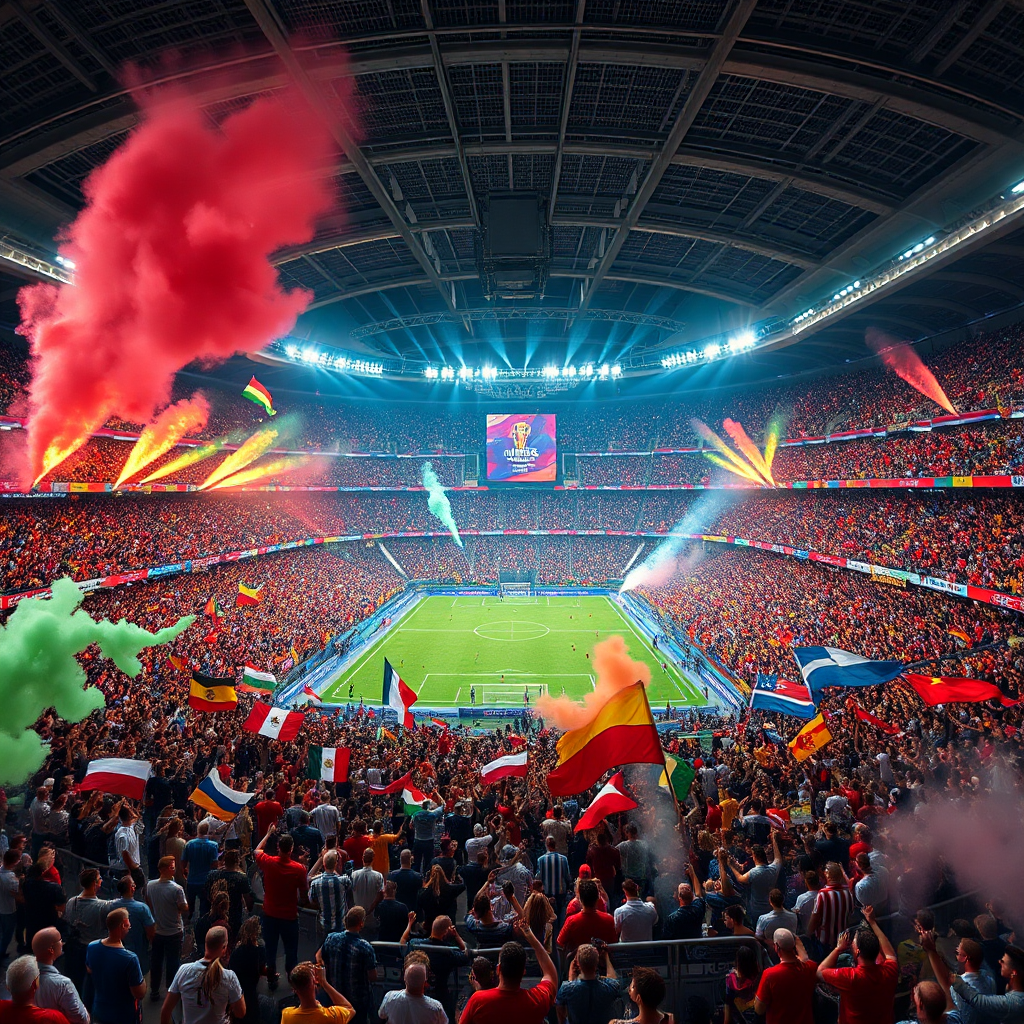
Khi World Cup “đổ bộ” xuống Quảng trường Thời đại: Chiến dịch quảng bá khiến cả thế giới phải ngoái nhìn
Bạn có bao giờ tưởng tượng, một buổi tối đang dạo bước giữa trung tâm thành phố New York, bỗng nhiên ngước lên và thấy toàn bộ màn hình LED khổng lồ tại Quảng trường Thời đại (Times Square) đều đồng loạt phát sóng những khoảnh khắc đỉnh cao của World Cup? Âm thanh sôi động, hình ảnh sắc nét, và bầu không khí cuồng nhiệt như thể bạn đang đứng giữa một sân vận động thực thụ. Đó không chỉ là một giấc mơ, mà là một chiến dịch quảng bá có thật, vừa diễn ra và đã tạo nên một cơn sốt toàn cầu.
Chiến dịch lần này không đơn thuần là việc đặt banner quảng cáo. Nó là một cuộc “xâm lăng” có chủ đích vào trái tim của ngành giải trí và quảng cáo thế giới. Hãy cùng tôi mổ xẻ chiến dịch đầy tham vọng này, xem họ đã làm gì để biến Quảng trường Thời đại trở thành “sân nhà” của World Cup và thu hút hàng triệu ánh nhìn.
Tại sao lại là Quảng trường Thời đại? “Trái tim” của truyền thông toàn cầu 🗽
Quảng trường Thời đại không chỉ là một địa điểm du lịch. Nó là một biểu tượng. Với hơn 300.000 người qua lại mỗi ngày và hàng triệu lượt xem trực tuyến từ các camera quay trực tiếp, nơi đây được mệnh danh là “ngã tư của thế giới”. Mỗi một inch vuông trên các màn hình LED ở đây đều là “đất vàng” cho các thương hiệu muốn khẳng định đẳng cấp.
 Hình minh hoạ: nk88
Việc một chiến dịch quảng bá World Cup dám “phủ sóng” diện rộng tại đây cho thấy một tham vọng cực kỳ lớn: không chỉ tiếp cận người hâm mộ bóng đá, mà còn muốn gây ấn tượng với giới truyền thông, các nhà đầu tư và cả những người không hề quan tâm đến thể thao. Nó giống như một tuyên bố: “World Cup không chỉ là một giải đấu, nó là một hiện tượng văn hóa toàn cầu”.
Chiến dịch “Phủ sóng mọi màn hình lớn” diễn ra như thế nào? 📺
Điều làm nên sự khác biệt của chiến dịch này chính là sự đồng bộ và quy mô. Hãy tưởng tượng, không phải 1 hay 2 màn hình, mà là gần như toàn bộ các màn hình LED tại các tòa nhà biểu tượng như One Times Square, NASDAQ, Reuters Tower… đều được “khoác lên mình” màu sắc của World Cup. Các nội dung được đồng bộ hóa theo từng khung giờ, từ những pha bóng đẹp, bàn thắng lịch sử cho đến những khoảnh khắc các siêu sao ăn mừng.

Điều đặc biệt hơn, chiến dịch còn ứng dụng công nghệ tương tác thực tế ảo tăng cường (AR). Người đi đường có thể dùng điện thoại quét mã QR trên màn hình để tham gia các thử thách bóng đá ảo, săn quà tặng hoặc thậm chí là chụp ảnh “check-in” cùng cúp vàng ngay tại quảng trường. Sự kết hợp giữa quảng cáo truyền thống và công nghệ số đã tạo ra một trải nghiệm đa giác quan khó quên.
Sức mạnh của nội dung “đúng lúc, đúng chỗ”
Một yếu tố then chốt khác là thời điểm. Chiến dịch được kích hoạt đúng vào những ngày cao điểm của giải đấu, khi nhiệt độ cổ vũ lên đến đỉnh điểm. Các màn hình không chỉ chiếu lại các trận đấu, mà còn cập nhật kết quả trực tiếp, tỷ số và những bình luận “có cánh” ngay lập tức. Điều này khiến cho dù bạn không thể có mặt tại sân vận động ở Qatar, bạn vẫn cảm nhận được nhịp đập của trái bóng ngay giữa lòng New York.

Việc “phủ sóng” mọi màn hình lớn tại Quảng trường Thời đại không chỉ là một chiến dịch quảng cáo đơn thuần. Nó là một minh chứng cho thấy sức mạnh của việc kết hợp giữa sự kiện thể thao toàn cầu với địa điểm truyền thông biểu tượng. Khi bạn nhìn thấy những hình ảnh đó, bạn không chỉ nhớ về World Cup, mà còn nhớ về một khoảnh khắc “choáng ngợp” tại Quảng trường Thời đại.
Bài học cho các chiến dịch quảng bá trong tương lai
Chiến dịch này đã để lại nhiều bài học quý giá. Đầu tiên, đó là sự táo bạo trong tư duy. Đừng ngại đặt thương hiệu của mình vào những “đấu trường” khốc liệt nhất. Thứ hai, sự đồng bộ và công nghệ là chìa khóa. Một thông điệp lớn cần một “bệ phóng” lớn và sự hỗ trợ của công nghệ để lan tỏa mạnh mẽ.

Và cuối cùng, đừng quên yếu tố cộng đồng. Khi người hâm mộ thấy mình là một phần của một điều gì đó lớn lao, họ sẽ tự nguyện trở thành những “đại sứ thương hiệu” mạnh mẽ nhất. Hàng ngàn bức ảnh, video được chia sẻ lên mạng xã hội từ chính những người có mặt tại đó đã giúp chiến dịch lan tỏa một cách tự nhiên và hiệu quả.
Nhìn lại toàn bộ chiến dịch, có thể thấy rằng việc “phủ sóng mọi màn hình lớn” tại Quảng trường Thời đại không chỉ là một màn trình diễn sức mạnh tài chính, mà còn là một tác phẩm nghệ thuật về truyền thông đúng thời điểm. Nó cho thấy, trong thế giới phẳng ngày nay, ranh giới giữa một sự kiện thể thao và một lễ hội văn hóa đã trở nên mong manh hơn bao giờ hết.
Nếu bạn là một người yêu bóng đá và đam mê công nghệ, chắc hẳn bạn sẽ không thể bỏ qua những trải nghiệm tương tự trong tương lai. Và biết đâu đấy, trong những mùa World Cup tiếp theo, bạn cũng sẽ có cơ hội tự mình trải nghiệm những điều kỳ diệu như thế này. Còn bây giờ, hãy cùng tôi theo dõi xem những chiến dịch nào sẽ “làm mưa làm gió” tiếp theo trên các màn hình lớn nhé! Đừng quên, nếu bạn muốn cập nhật những thông tin nóng hổi nhất về các sự kiện thể thao và giải trí, hãy ghé thăm nk88 để không bỏ lỡ bất kỳ điều gì thú vị. Và nếu có dịp, hãy thử tìm hiểu thêm về nk 88 để khám phá một thế giới giải trí đầy màu sắc nhé.
Bạn nghĩ sao về việc một chiến dịch quảng bá có thể biến cả một quảng trường thành một sân vận động khổng lồ? Liệu có địa điểm nào khác trên thế giới có thể làm được điều tương tự? Hãy để lại bình luận và chia sẻ suy nghĩ của bạn nhé! 🚀

bancadoithuong.voto – Cập Nhật Nội Dung Game Bài Theo Phiên Bản: Góc Nhìn Rủi Ro và Minh Bạch
bancadoithuong.voto – Cập Nhật Nội Dung Game Bài Theo Phiên Bản: Góc Nhìn Rủi Ro và Minh Bạch
Khi tiếp cận các nền tảng game bài liên tục tung ra bản cập nhật, ba phát hiện sau đây cần được ưu tiên xem xét trước khi đưa ra bất kỳ quyết định tham gia nào:
- Tuyên bố “cập nhật nội dung theo phiên bản” thường đi kèm thay đổi thuật toán phân phối phần thưởng mà nhà vận hành hiếm khi công khai đầy đủ chỉ số kỹ thuật.
- Tốc độ ra mắt tính năng mới không tương đương với quy trình kiểm thử bảo mật; nhiều hệ thống áp dụng mô hình beta mở rộng, đồng nghĩa việc người dùng cuối sẽ trực tiếp trải nghiệm các lỗ hổng tiềm ẩn.
- Sự phân mảnh nội dung giữa ứng dụng di động và trình duyệt web tạo ra khoảng trống thông tin về tỷ lệ hoàn vốn thực tế, bắt buộc người chơi phải chủ động đối chiếu dữ liệu giao dịch thay vì tin vào con số hiển thị trên màn hình.
5 Tiêu Chí Cần Xác Minh Trước Khi Tham Gia
Hành vi cập nhật liên tục có thể là tín hiệu của sự cải tiến, nhưng cũng dễ trở thành công cụ che giấu biến động tỷ lệ thắng thua. Thay vì tập trung vào tốc độ ra mắt tính năng, người chơi nên xây dựng bộ tiêu chí kiểm tra tối thiểu để giảm thiểu sai lệch thông tin:
- Quy trình phát hành bản vá: Nền tảng cần niêm yết rõ lịch cập nhật, phạm vi thay đổi luật chơi và ảnh hưởng đến ví người dùng. Thiếu bảng ghi chú phiên bản là dấu hiệu cảnh báo đầu tiên.
- Minh bạch tỷ lệ hoàn vốn (RTP): Con số hiển thị trên giao diện thường là giá trị trung bình động, không phải cam kết dài hạn. Yêu cầu truy cập trang pháp lý hoặc báo cáo kiểm toán độc lập để đối chiếu.
- Chính sách điều chỉnh cược và rút tiền: Mọi thay đổi giới hạn thanh toán sau khi cập nhật phải được thông báo trước ít nhất 72 giờ. Quy tắc áp dụng ngược lên tài khoản đang hoạt động là vi phạm nguyên tắc giao dịch công bằng.
- Cơ chế xử lý lỗi đồng bộ: Hệ thống phải có đường dẫn phản ánh bug trực tiếp và SLA giải quyết rõ ràng. Dữ liệu mất mát do xung đột phiên bản thường rơi vào nhóm tranh chấp khó bồi hoàn.
- Hồ sơ pháp lý và giấy phép hoạt động: Không tồn tại chứng nhận điều hành uy tín thì mọi cam kết về bảo mật và thanh toán đều mang tính hứa miệng. Ưu tiên nền tảng công khai thông tin doanh nghiệp và cơ chế khiếu nại thứ cấp.
 Hình minh hoạ: Bắn cá đổi thưởng
Phân Tích Cơ Chế Cập Nhật Và Tính Đồng Bộ Của Game
Việc phân tích sâu hơn về cách một nền tảng vận hành bản cập nhật giúp người chơi nhận diện được rủi ro ẩn sau những lời quảng cáo về trải nghiệm mượt mà. Thực tế, quá trình nâng cấp thường diễn ra theo chu trình đóng gói tệp cấu hình, kiểm tra tương thích máy chủ, và triển khai từng khu vực (canary release). Trong giai đoạn chuyển tiếp, các chỉ số như thời gian chờ trận đấu, tỷ lệ trùng lặp lá bài, hoặc lệch điểm thưởng thường dao động mạnh. Người dùng cần hiểu rằng tính năng mới được giới thiệu sớm không đồng nghĩa với độ ổn định cao; ngược lại, chúng thường được dùng để thu thập phản hồi thực tế nhằm tinh chỉnh thuật toán trước khi mở rộng toàn cục. Khi truy cập Bắn cá đổi thưởng, người chơi nên kiểm tra kỹ mục thông báo hệ thống, đối chiếu ngày phát hành bản vá với thời điểm xuất hiện lỗi, và tạm dừng nạp tiền nếu thấy sự chênh lệch lớn giữa giao diện hiển thị và cơ chế tính điểm thực tế. Sự minh bạch nằm ở khả năng cung cấp nhật ký cập nhật công khai, chứ không nằm ở tốc độ tung bản mới.

So Sánh Nhanh Các Kênh Tiếp Cận Nội Dung
| Kênh truy cập | Tốc độ cập nhật | Mức độ bảo mật | Khả năng khôi phục dữ liệu |
|---|---|---|---|
| Trình duyệt web | Nhanh, tự động tải lại | Trung bình, phụ thuộc cookie | Cao, lưu trữ trên máy chủ chính |
| Ứng dụng di động | Chậm, cần phê duyệt kho ứng dụng | Cao, mã hóa đầu cuối | Thấp, phụ thuộc cache thiết bị |
| Kênh bên thứ ba | Không đồng bộ, trễ từ vài giờ | Thấp, rủi ro giả mạo giao diện | Rất thấp, khó xác thực nguồn gốc |

Tình Huống Phù Hợp Và Cảnh Báo Rủi Ro
Không phải mọi người chơi đều phù hợp với mô hình game bài có tần suất cập nhật cao. Việc xác định đúng bối cảnh tham gia giúp cắt giảm đáng kể nguy cơ tổn thất vốn và mâu thuẫn thanh toán.
- Trường hợp phù hợp: Người chơi đã thiết lập ngân sách cố định, chấp nhận biến động ngắn hạn, thường xuyên đối chiếu nhật ký giao dịch, và sẵn sàng rút toàn bộ lợi nhuận khi hệ thống bước vào giai đoạn nâng cấp lớn.
- Trường hợp không phù hợp: Người dựa vào cảm tính, coi mỗi bản cập nhật là cơ hội đảo chiều tài khoản, không lưu trữ sao chép dữ liệu cược, hoặc tham gia dưới áp lực FOMO khi thấy quảng cáo tính năng mới.
Một lưu ý thực tế khác là sự đa dạng thể loại trò chơi không tự động đồng nghĩa với chất lượng vận hành tốt hơn. Khi hệ thống mở rộng sang các mảng như bancadoithuong.voto hoặc game slot, quy trình kiểm thử thường bị phân tán, làm tăng xác suất xảy ra lỗi tính điểm và chậm trễ xử lý giao dịch. Người chơi cần tách biệt rủi ro giữa các dòng sản phẩm thay vì gộp chung vào một chiến lược quản lý vốn duy nhất.

Lộ Trình Quản Lý Vốn Và Tham Gia Có Kiểm Soát
Giảm thiểu tổn thất trong môi trường game bài có cập nhật liên tục không đòi hỏi kỹ năng đặc biệt, mà chỉ cần tuân thủ quy trình kỷ luật nghiêm ngặt:
- Xác định mức vốn chịu thua tối đa trước khi đăng nhập. Đây là con số cứng, không linh hoạt dù đang thắng hay hệ thống vừa ra mắt tính năng hấp dẫn.
- Thiết lập ngưỡng chốt lời theo phiên. Khi đạt mốc lợi nhuận mục tiêu, thực hiện rút ngay để tránh biến động do bản vá thay đổi tỷ lệ phân phối.
- Kiểm tra thông báo kỹ thuật 24 giờ trước khi đặt cược lớn. Nếu thấy cảnh báo về trì hoãn máy chủ hoặc thay đổi luật trận đấu, hãy tạm ngưng hoạt động.
- Ghi chép đầy đủ mã giao dịch, thời điểm cập nhật và kết quả cuối cùng. Hồ sơ này là cơ sở duy nhất để khiếu nại khi phát hiện lệch điểm do lỗi đồng bộ.
- Xây dựng lộ trình thoát chương trình. Sau mỗi đợt nâng cấp hoàn tất, đánh giá lại hiệu quả thực tế so với dự kiến, ngừng tham gia nếu tỷ lệ rủi ro vượt ngưỡng chấp nhận được.
Câu Hỏi Thường Gặp
Cần làm gì khi phát hiện tỷ lệ hiển thị khác với cơ chế tính điểm thực tế?
Dừng cược ngay, chụp màn hình giao diện và nhật ký phiên, gửi phiếu khiếu nại kèm mã giao dịch. Không tiếp tục nạp thêm cho đến khi có phản hồi chính thức từ bộ phận hỗ trợ.
Việc cập nhật thường xuyên có làm thay đổi tỷ lệ thắng dài hạn?
Có thể. Nhà vận hành thường điều chỉnh tham số thuật toán theo từng bản vá để cân bằng pool cược. Người chơi nên xem mỗi phiên bản là một chu kỳ riêng, không ngoại suy kết quả cũ sang tương lai.
Có nên sử dụng ứng dụng bên thứ ba để truy cập nhanh bản cập nhật?
Không khuyến nghị. Kênh không chính thức thường thiếu cơ chế xác thực chữ ký số, dễ dẫn đến mất dữ liệu ví và không được bảo vệ bởi chính sách bồi hoàn của nhà cung cấp gốc.
Đánh Giá Có Điều Kiện
Hoạt động của bancadoithuong.voto – Cập Nhật Nội Dung Game Bài Theo Phiên Bản chỉ được coi là khả thi khi người tham gia tuân thủ nghiêm ngặt quy trình đối chiếu dữ liệu, chấp nhận biên độ rủi ro rõ ràng và không đặt niềm tin vào tuyên bố quảng cáo chưa được kiểm chứng. Nếu bạn sẵn sàng xây dựng ngân sách cứng, giám sát chặt chẽ tác động của từng bản vá, và rút vốn kịp thời trước giai đoạn nâng cấp lớn, nền tảng này có thể đáp ứng nhu cầu giải trí ngắn hạn. Ngược lại, việc tham gia mà bỏ qua các tiêu chí xác minh cơ bản hoặc kỳ vọng lợi nhuận ổn định từ các bản cập nhật mới sẽ dẫn đến tổn thất vốn không thể kiểm soát. Hãy tiếp cận với tư duy quản trị rủi ro, không phải đầu cơ may rủi.